Introduction
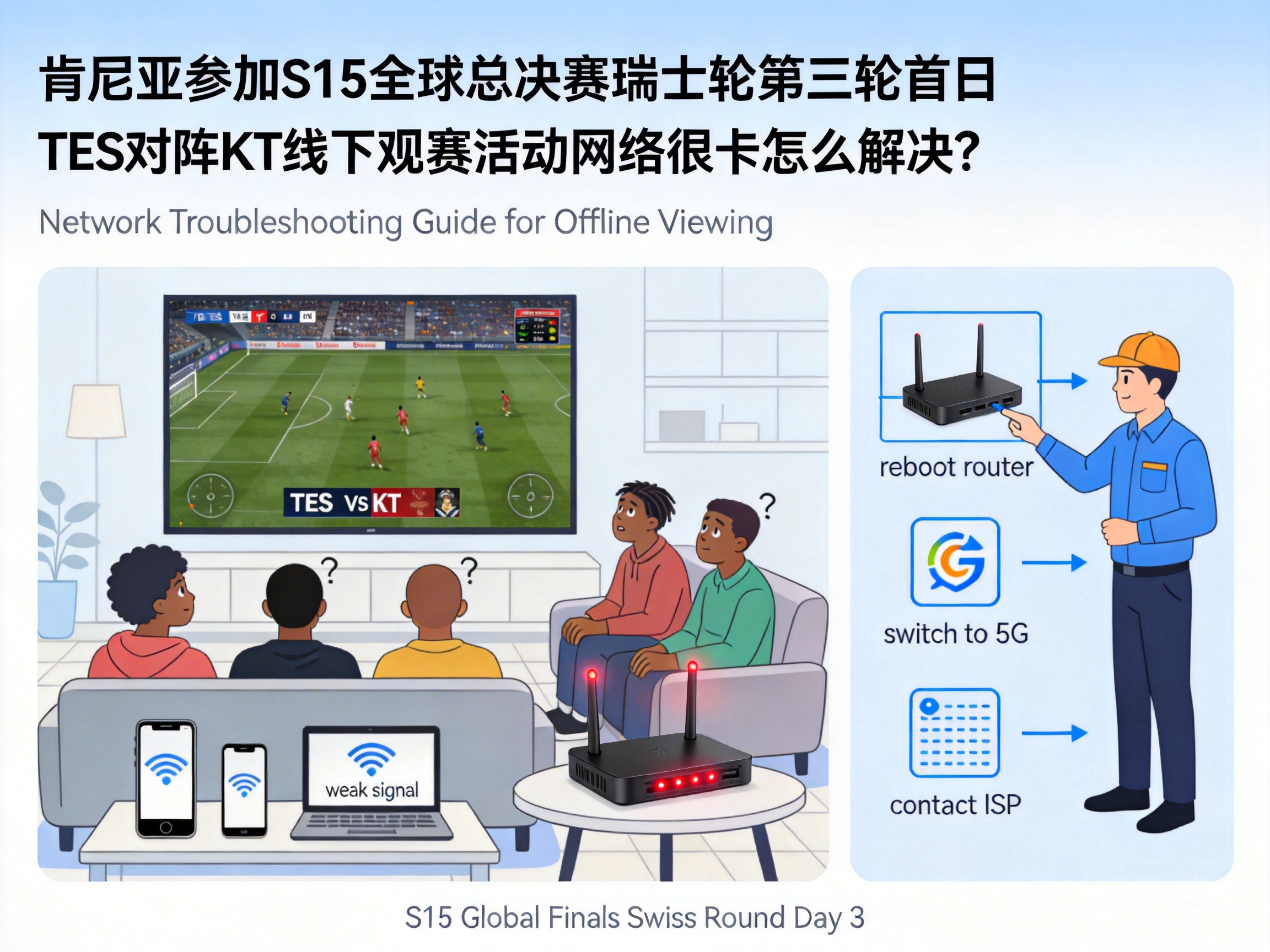
The Day 1 match between TES and KT in the third round of the 2025 League of Legends S15 World Championship Swiss Stage has drawn esports fans from across the globe, with large crowds gathering at offline viewing events in Kenya. However, many on-site attendees have encountered internet lag issues, which have disrupted their viewing experience. This article provides practical solutions to fix lag, tailored to Kenya's local network environment.
On-Site Network Environment Check and Basic Adjustments
First, conduct a basic check of the on-site network, which is the first step to resolving lag. Most offline viewing spots in Kenya rely on public WiFi or mobile hotspots, and a large number of connected devices can quickly exhaust available bandwidth.
- Prioritize the 5G WiFi band: Public WiFi typically offers 2.4G and 5G bands. The 2.4G band has strong device compatibility but is prone to interference, while the 5G band provides higher bandwidth and lower latency, making it ideal for high-definition tournament live streams.
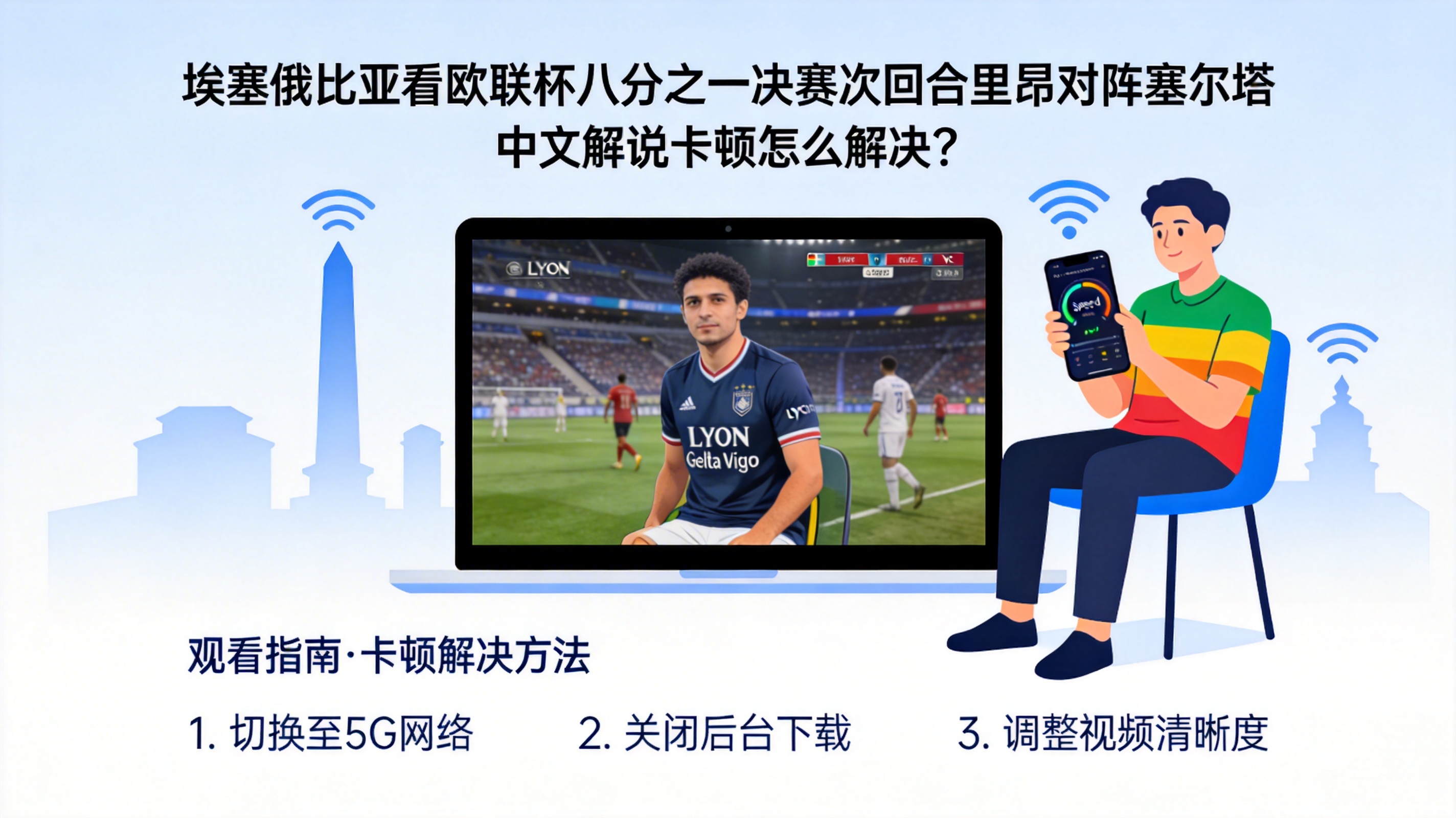
- Close redundant background apps: Apps running in the background on phones or tablets, such as downloads or video players, consume extra bandwidth. Closing them can improve the network priority of your viewing device.
Tip: If there is a wired network port on-site, connect your device directly with an Ethernet cable for far greater stability than WiFi.
Use Local Mobile Networks as an Alternative to Public WiFi
Kenya has relatively comprehensive mobile network coverage, and 4G or even 5G networks from some carriers can provide stable bandwidth for live streams, serving as a reliable alternative when public WiFi is laggy.
First, confirm that your mobile data plan includes sufficient high-speed data to avoid being switched to low-speed networks due to data exhaustion. Second, enable your device's smart network switching feature, which automatically switches to mobile data when WiFi signal strength drops below a threshold.
Additionally, contact your local mobile carrier to purchase a temporary high-speed data package. Some carriers offer exclusive data plans for major tournaments, which are affordable and provide sufficient bandwidth to support 1080P high-definition live streams.
Adjust Live Stream Quality and Playback Settings
If network bandwidth cannot support high-definition live streams, adjusting the stream quality is the most direct solution. Mainstream esports live streaming platforms typically offer multiple quality options, from smooth to 4K.
It is recommended to switch to 720P or lower smooth quality first to ensure stable playback, then gradually increase the quality as network conditions improve. At the same time, disable the live comment function on the streaming platform—loading comments consumes additional upload and download bandwidth, and the surge in comments during tournament highlights can further slow down the network.
In addition, enable the "low-latency mode" on the streaming platform. This mode prioritizes the real-time performance of the live stream, sacrificing some image detail, which is suitable for viewers sensitive to tournament progress.
On-Site Collaborative Optimization and Emergency Plans
If most on-site attendees are experiencing network lag, spontaneous collaborative optimization can be organized to improve overall network efficiency.
For example, elect a representative to contact on-site staff and request adjustments to the WiFi channel or temporary bandwidth expansion. Some viewing spots have backup mobile hotspot devices, which can be coordinated with staff to enable sharing.
In addition, adopt a multi-person single-screen sharing approach to reduce the number of devices connected to the network simultaneously. This not only reduces network load but also creates a more lively viewing atmosphere. If the network is completely down, you can download a text live stream script in advance to keep up with the tournament progress through text updates.
Conclusion
To address network lag at S15 offline viewing events in Kenya, troubleshooting and optimization can be carried out from four aspects: network access methods, device settings, live stream parameters, and on-site collaboration. Prioritizing stable network access channels, combined with adjustments to device and live stream settings, can effectively improve the viewing experience. In cases of collective lag, collaborative optimization is more effective than individual adjustments.