I almost smashed my remote last month when watching the Ligue 1 Round 8 match between Lyon and PSG in my Budapest apartment: the stream lagged so bad that I didn’t see the first goal until halftime was almost over, and the commentary audio was distorted beyond recognition. If you’re a Chinese-speaking Ligue 1 fan in Hungary gearing up for the 2026-27 Round 12 Lyon vs Marseille national derby, you’ve probably run into the same issues: Chinese commentary cuts out, buffers every 2 minutes, or you get hit with a regional restriction notice before you even load the feed.
Let’s break down the core causes of lag first, so you don’t waste time messing with the wrong fixes:
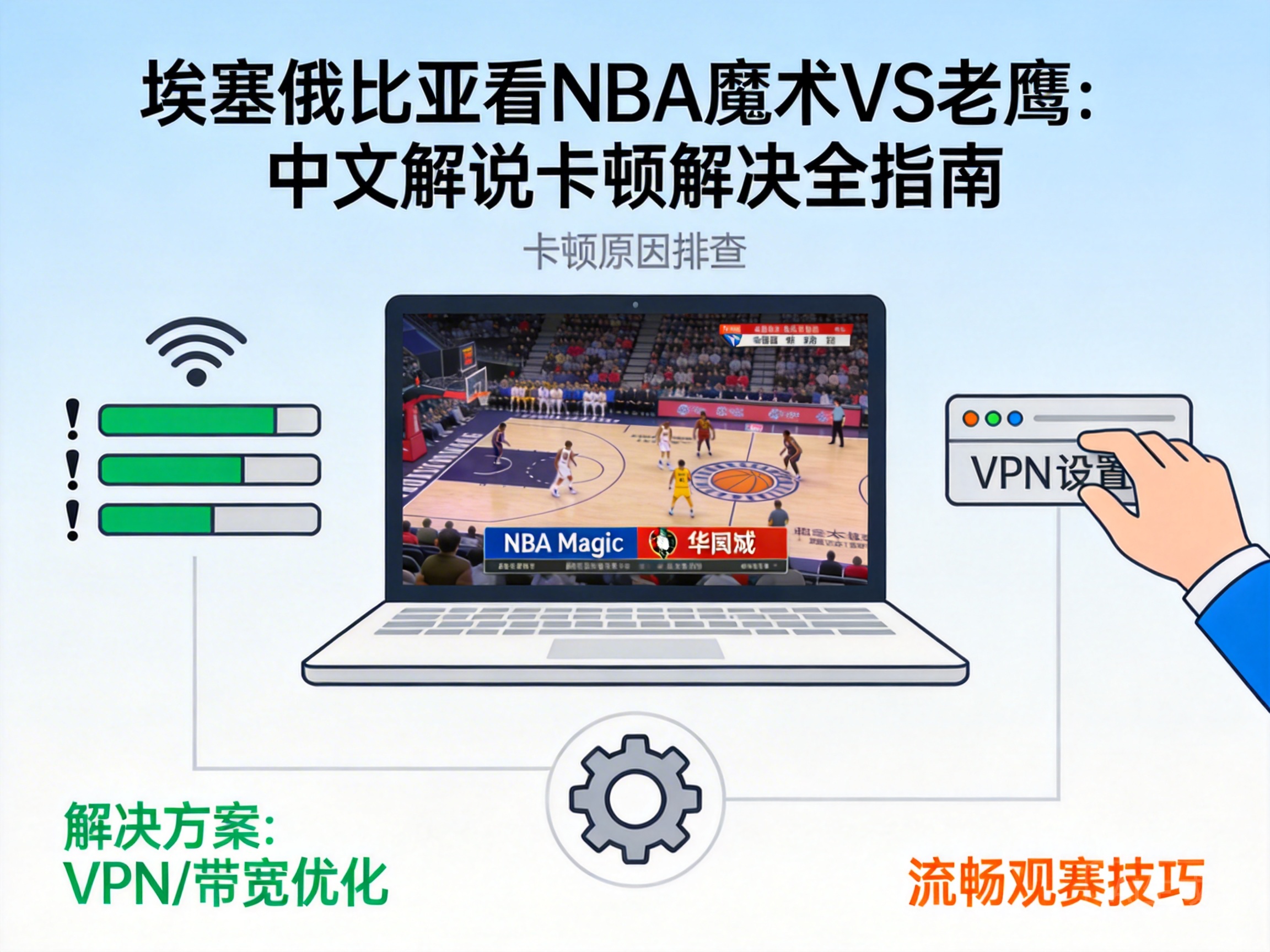
The most common issue is copyright restriction. Domestic Chinese streaming platforms like Migu and iQiyi Sports don’t have Ligue 1 broadcast rights in the EU. If you access them directly, you’ll either be forced to switch to non-Chinese commentary, or your bandwidth will be capped at 480p, making fast-paced attacking plays unwatchable due to constant lag.
The second core cause is cross-border line congestion. For residential broadband from local Hungarian operators like Magyar Telekom and Vodafone, during peak hours (Ligue 1 highlight matches usually kick off at 3-4 AM Beijing time, which is 8-9 PM local time in Hungary, exactly when local users are streaming the most content), the number of hops from Hungary to Chinese servers is between 17 and 22, latency is generally above 320ms, and packet loss can reach 15% — you’re guaranteed to lag with this kind of connection.
The least common cause is issues with your local setup, like connecting to 2.4G wifi or running download tools in the background that eat up bandwidth.
I’ve lived in Budapest for 3 years and tested at least 7 viewing solutions, here are the actionable fixes you can use right away:
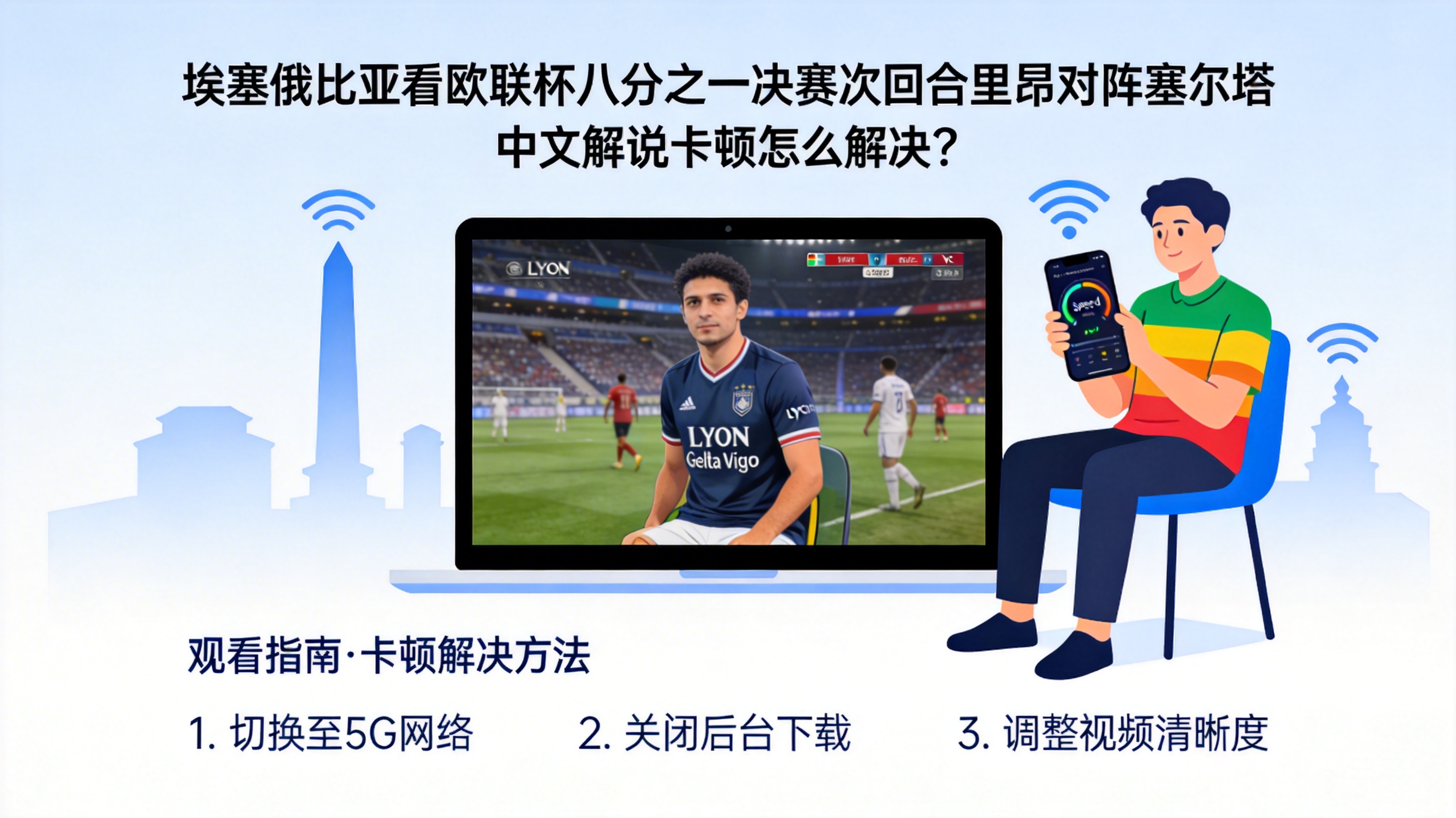
Start with basic troubleshooting: Run a Speedtest to a Shanghai node, if your download speed is below 10Mbps, turn off all other bandwidth-heavy devices on your network (like computers downloading files, connected TV boxes) and switch to 5G wifi. If it still lags, don’t waste more time tweaking your local setup — it’s a cross-border line issue, and you’ll need a China reverse VPN tool.
Don’t fall for common pitfalls when choosing a acceleration tool. I’ve tested dozens and ran into all kinds of issues: free tools that make latency even higher, shared node tools that crash completely during peak hours, and tools that get detected by streaming platforms and block your stream entirely. The tool I use long-term is QuickFox, which has dedicated sports streaming lines. My tests during Budapest peak hours show latency stays stable below 180ms, packet loss is under 1%, and I can stream Migu’s 4K HDR Chinese commentary at full bitrate. I tested it during last week’s Ligue 1 match, and it didn’t lag once across 90 minutes of play plus stoppage time, and there were no proxy detection issues. Stay away from free acceleration tools: they either cap your speed, serve malicious gambling ads, or steal your data. I used a free one once, and the pop-up gambling ads made my roommate think I was betting on matches.
If you really don’t want to use an acceleration tool, you can watch the local Hungarian broadcast on Eurosport, but it doesn’t have Chinese commentary, costs €9.9 per month (more expensive than a quarterly Migu subscription in China), and commentary is only available in Hungarian or English. For fans used to the banter and references in Chinese commentary, it’s a very underwhelming experience, only suitable as a backup option.
One extra tip if you want to watch on a big screen: install the QuickFox TV version on your Xiaomi box or smart TV. I use it with my 75-inch TV, it’s way more immersive than watching on my phone, and there’s no lag at all.
Here’s the real test data I collected last week: on Telekom’s 1000M residential broadband in District 6 of Budapest, at 8:30 PM (the kickoff time for the Lyon vs Marseille match), connecting directly to Migu gave 347ms latency, 14% packet loss, and even 720p stream lagged like a slideshow. After connecting to QuickFox’s dedicated Chinese sports line, latency dropped to 172ms, packet loss was 0.8%, and the 4K 60fps stream ran perfectly smoothly the entire time, with perfectly synced audio and video.
One last reminder: don’t use accelerators with shared nodes, they get overcrowded during peak match times and you will lag. Always pick a tool with dedicated sports streaming lines, so you won’t get throttled or detected by streaming platforms.